

TMJ Disorder (TMD): The Overlooked Link Between Jaw Pain and Sleep Health
The temporomandibular joints (TMJs) are the two joints located just in front of your ears that connect your lower jaw (mandible) to your skull. These joints work together with muscles, ligaments, and teeth to allow you to talk, chew, swallow, and yawn.
Temporomandibular Joint Disorder (TMD) affects the jaw joints, facial muscles, and surrounding structures, often leading to jaw pain, clicking or locking, headaches, and facial tension.
But emerging evidence shows that TMD is not just a jaw problem—it’s frequently connected to airway and sleep dysfunction.
Why TMD Is More Than a Jaw Problem
Traditionally, TMD has been treated as a localized joint or muscle issue. However, growing clinical evidence shows that jaw position, muscle tension, and airway size are deeply interconnected.
When the jaw is positioned improperly:
- Muscles remain in a constant state of strain
- The jaw joint may not heal properly
- The airway can become restricted during sleep
- The body compensates, worsening pain and sleep disruption
This explains why many patients with chronic TMD also struggle with snoring, disrupted sleep, or obstructive sleep apnea (OSA)—even if they were never formally diagnosed.
Research Supporting an Integrated Approach
A recent peer-reviewed study led by Dr. Joseph Yousefian, published in the Journal of Dental Sleep Medicine (Vol. 12, No. 4, 2025), explored how addressing both jaw function and airway health together transforms outcomes for patients with TMD and sleep disorders.
In this clinical trial of 91 patients treated with Dr. Yousefian’s ApnoDent® hybrid mandibular advancement device:
- 95.5% experienced complete resolution of TMJ and muscle pain (p < 0.00001)
- 91% of mild-to-moderate OSA cases reached AHI < 5 events/hour (normal range)
- 77% of severe OSA cases achieved major improvement
- No adverse effects or significant bite changes were reported
These findings highlight the importance of addressing jaw function and airway health together, rather than treating them in isolation.
ApnoDent® & ApnoTX®: Integrated Jaw and Airway Therapy
Developed by Dr. Yousefian and his team, ApnoDent® and ApnoTX® are patented hybrid appliances combining TMJ stabilization, bite correction, and airway management into one device that:
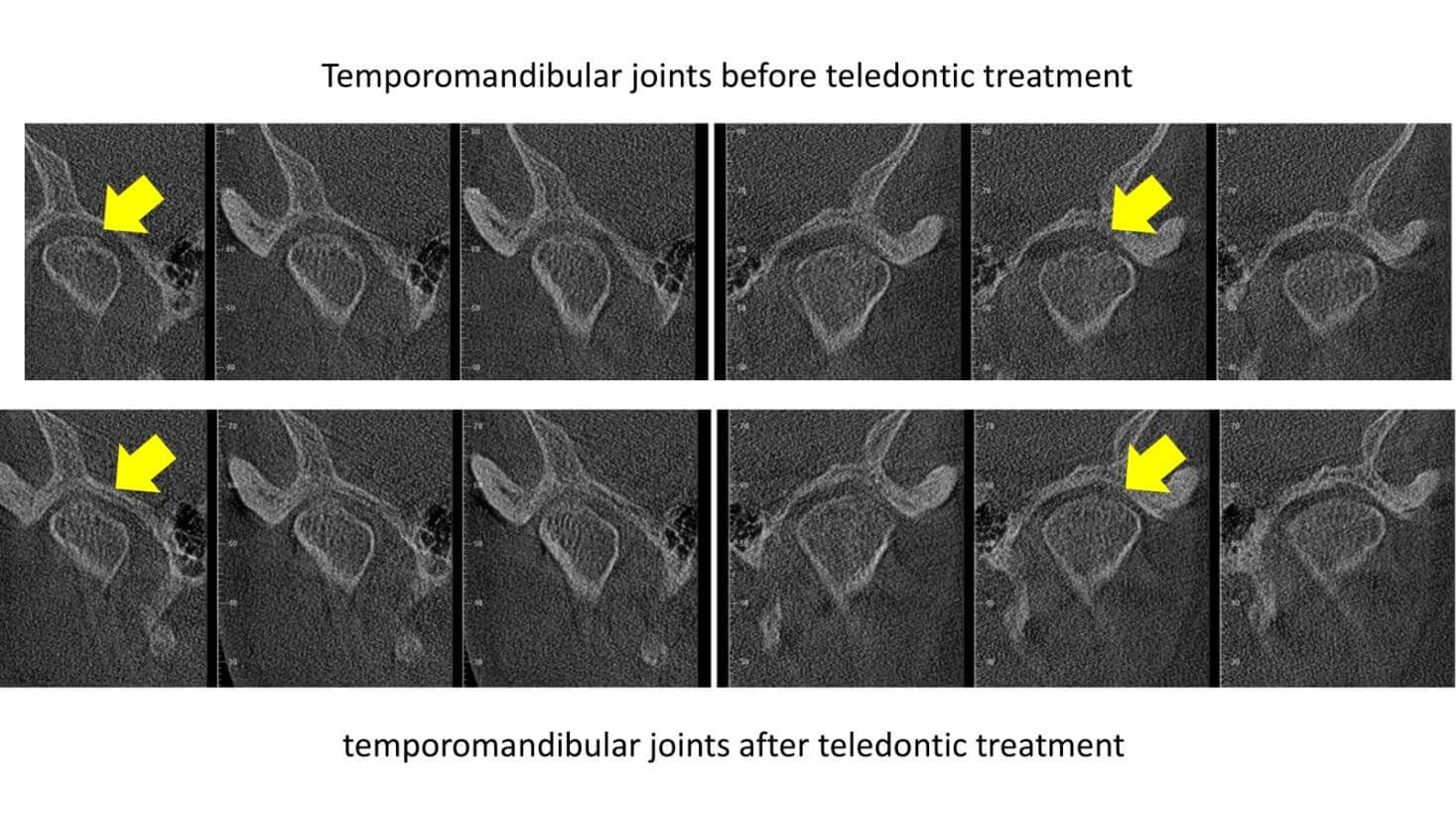
- Stabilizes the TMJ and relaxes facial muscles
- Reduces grinding (bruxism) and muscle tension
- Repositions the jaw to promote joint healing
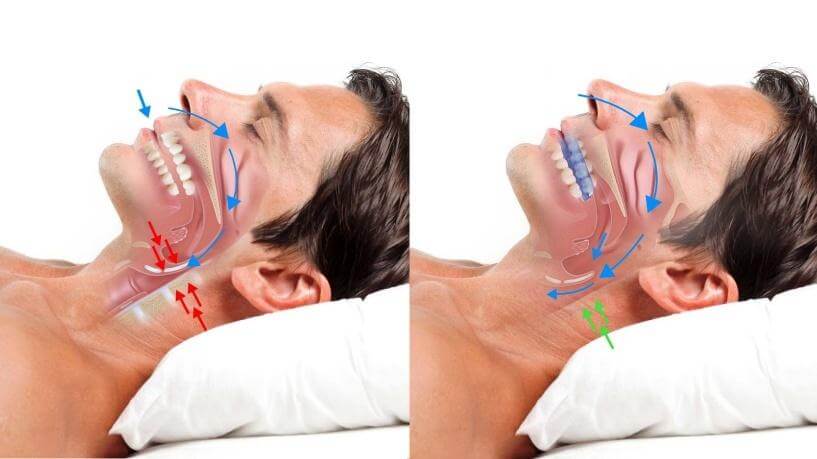
- Improves airway flow, reducing snoring and apnea
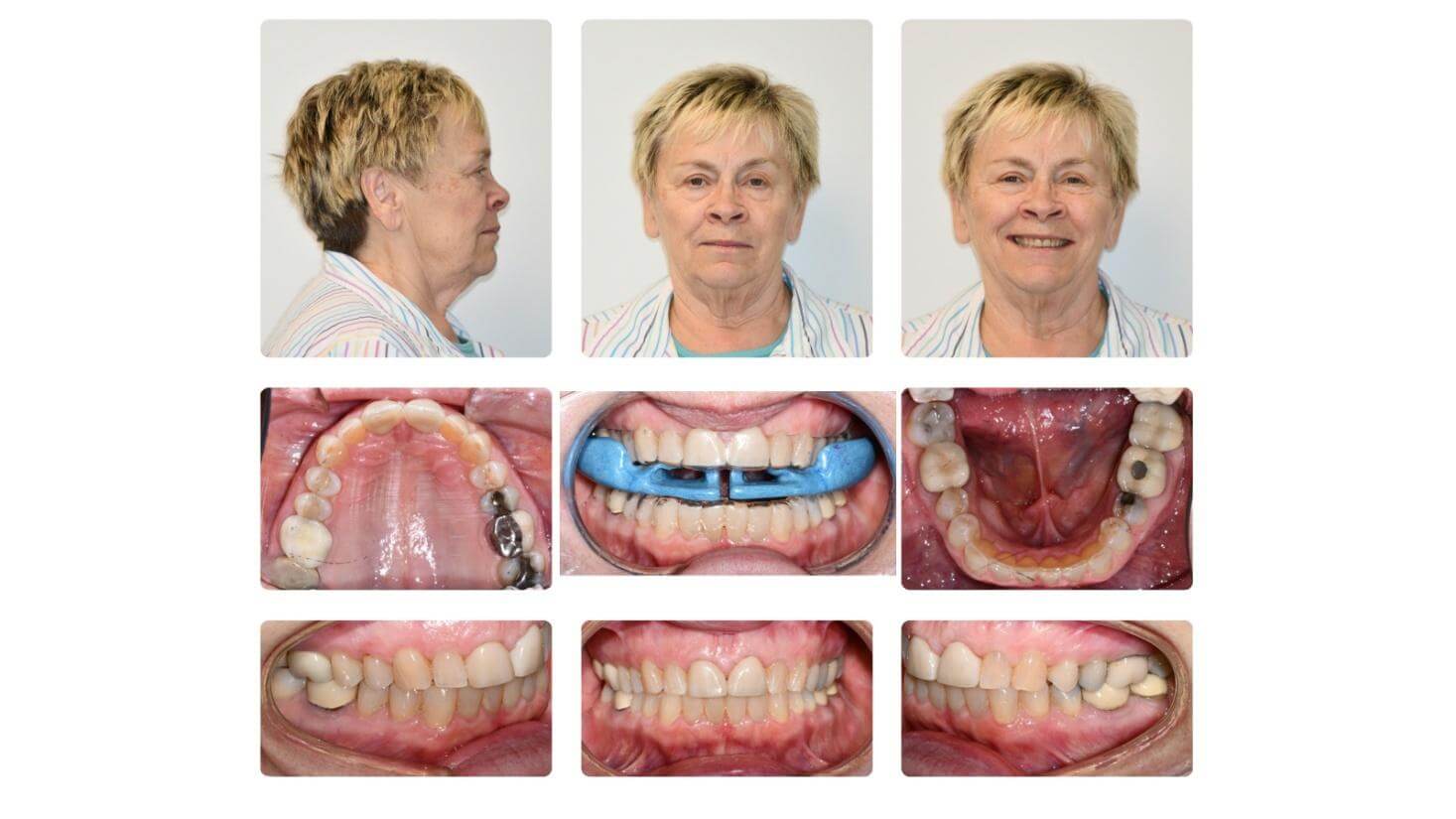
- Enhances occlusion and facial alignment, even while wearing braces or Invisalign®
This approach, rooted in teledontics and telegnathics, bridges dentistry and medicine to restore function, relieve pain, and enhance sleep quality.
What This Means for Patients
If you have chronic jaw pain, headaches, facial tension, or bite instability—especially alongside poor sleep or snoring—your symptoms may be connected.
A comprehensive evaluation that looks at jaw health, muscle function, bite alignment, and airway anatomy together can often provide relief where traditional treatments fall short.
Treating TMD is not just about reducing pain—it’s about restoring balance, function, and quality of life.
ApnoDent® hybrid mandibular advancement device developed by Dr. Joseph Yousefian, DDS, MS, DABO, DABDSM
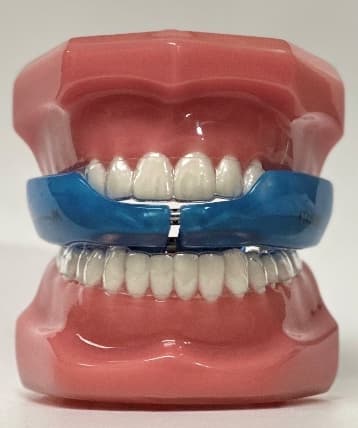
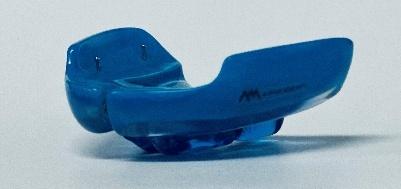
TMJ stabilization and airway opening visualized in 3D jaw alignment model
Polysomnography Results Showing AHI Improvement Following ApnoDent® Therapy
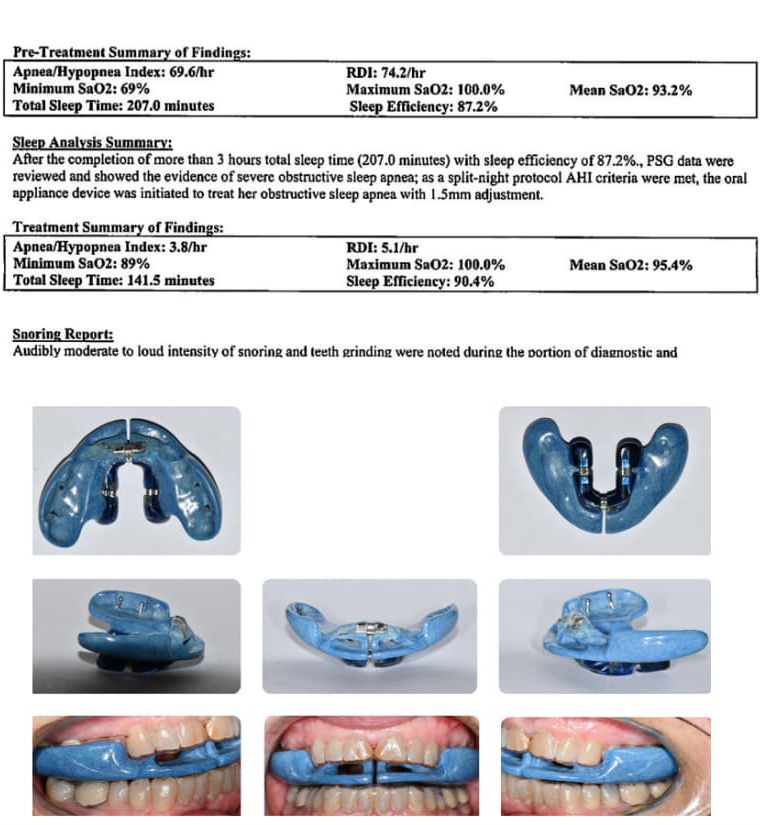
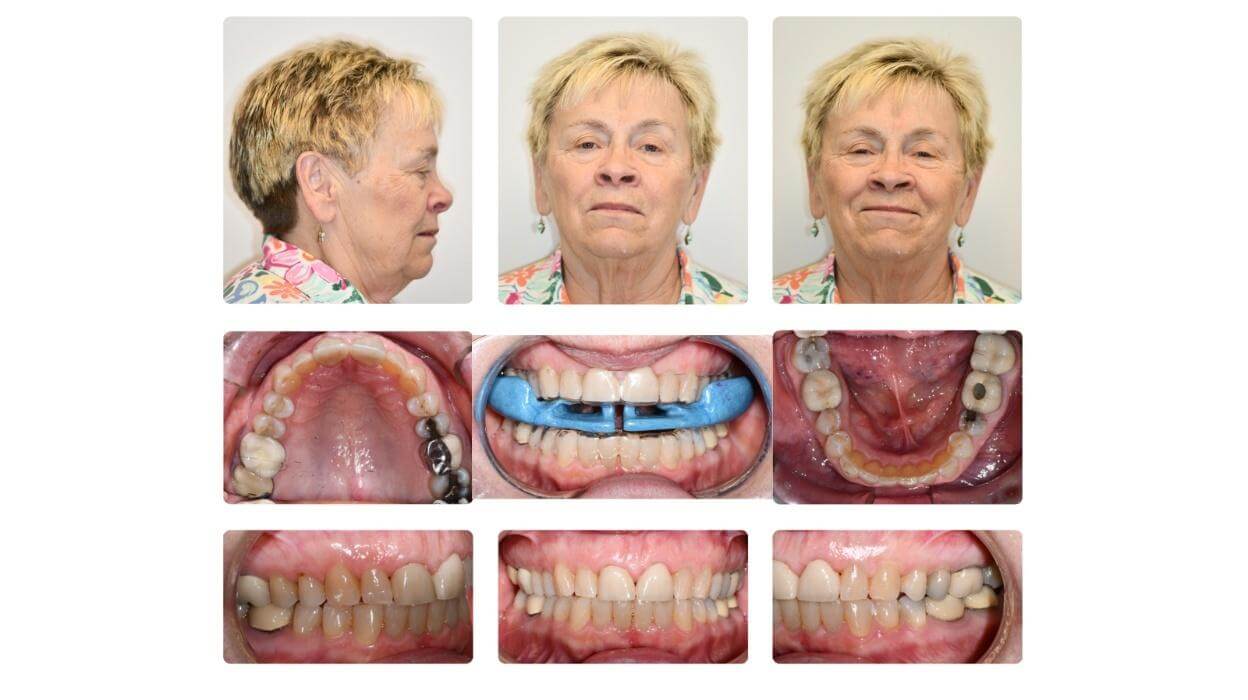
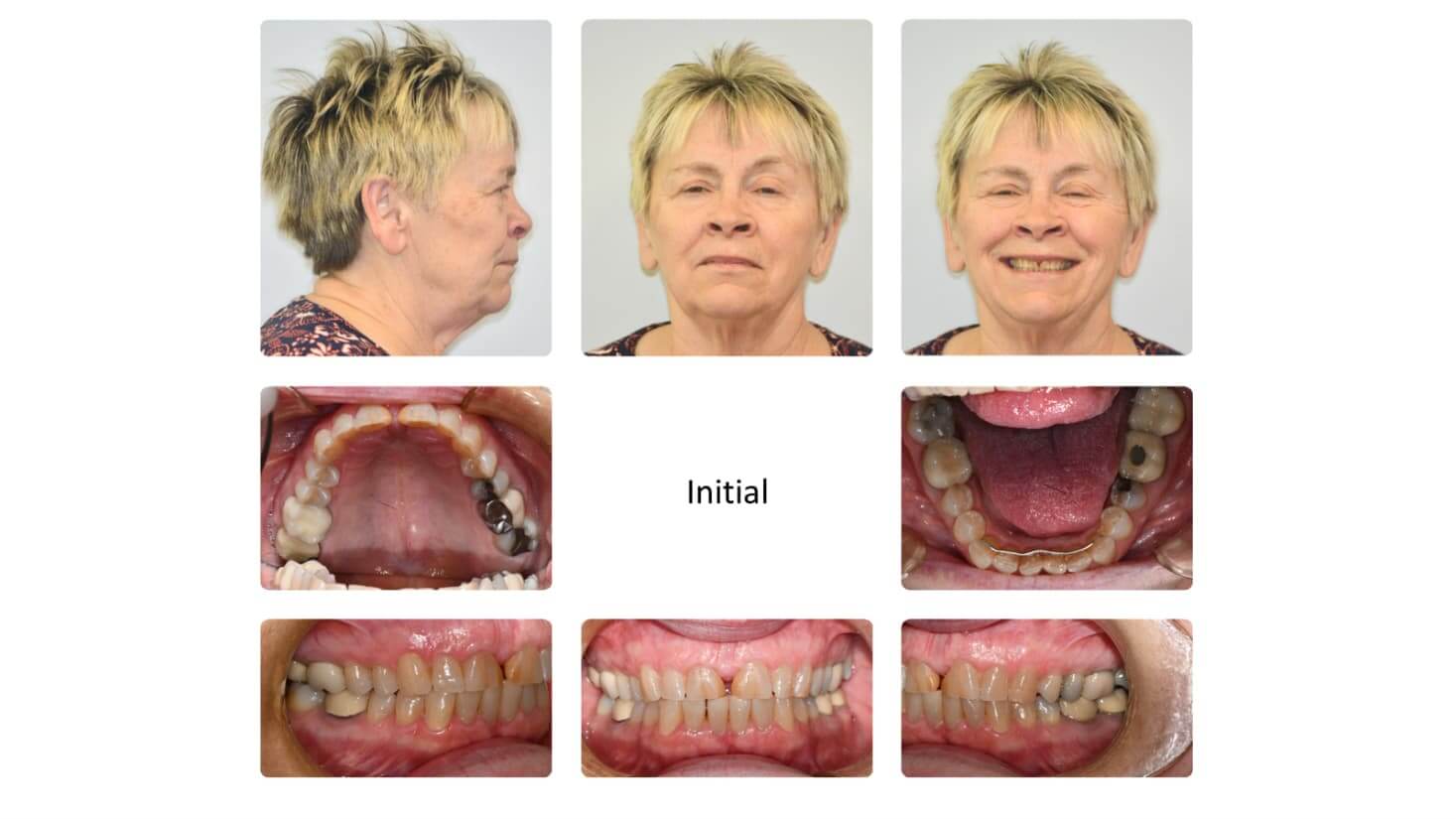
Sample Case
The original ApnoTx fits over the Invisalign® trays
The Original ApnoTx™ Still Fits One Year Post-Treatment Over Vivera™ Retainers
The Original ApnoTX™ Still Fits Three Years Post-Treatment Over Vivera™ Retainers